Exclusive deals on stylish home décor!

How to Style a Modern Farmhouse Living Room: 12 Simple Rules for a Timeless and Inviting Space
Create a warm, inviting, and timeless living room with these 12 simple Modern Farmhouse styling rules. This guide breaks down exactly how to blend cozy farmhouse charm with clean modern lines — from choosing the right wood tones and neutral palettes to adding the perfect lighting, textures, and décor accents. Whether your space is large or small, these tips will help you design a room that feels fresh, comfortable, and effortlessly stylish.
11/26/20255 min read
How to Style a Modern Farmhouse Living Room: 12 Simple Rules for a Timeless and Inviting Space
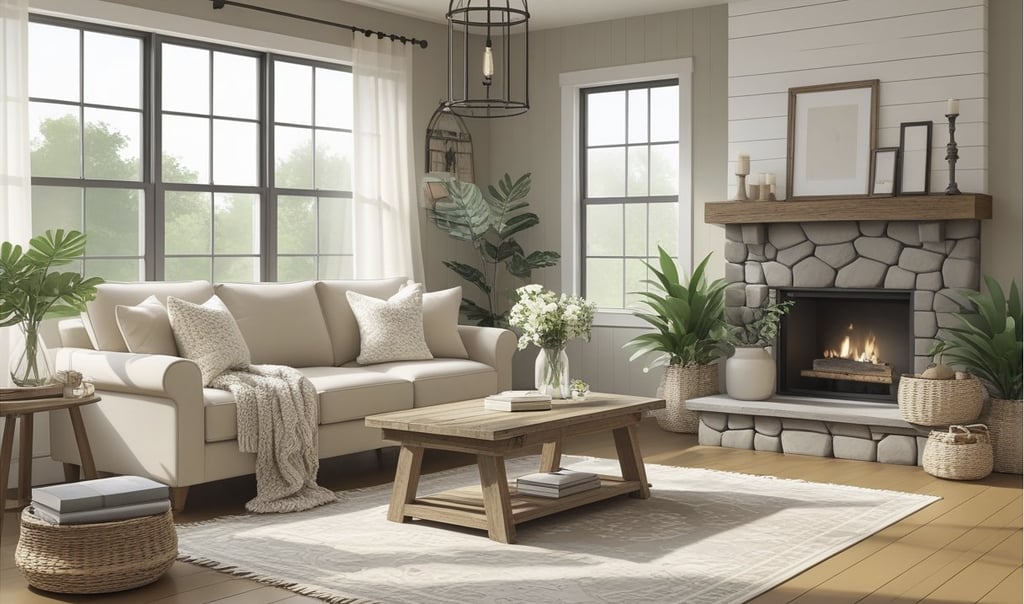
Modern farmhouse style brings together the best of two worlds—the cozy feel of country living and the clean look of modern design. This style has become popular because it creates spaces that feel both comfortable and put-together. If you want to transform your living room into a warm and welcoming space, you don't need a big budget or major renovations. Want to explore all of my recommended Modern Farmhouse décor pieces? Check out my curated collection here.
The key to styling a modern farmhouse living room is balancing rustic elements like wood and natural textures with simple, modern lines and neutral colors. I've put together 12 straightforward rules that will help you create this look in your own home. These guidelines focus on choosing the right furniture, colors, and decorative pieces that work together. Whether you're starting from scratch or updating your current space, these rules will give you a clear path forward. You'll learn which elements matter most and how to combine them in a way that feels authentic and inviting.
Key Takeaways
Modern farmhouse style combines rustic charm with contemporary design through natural materials and clean lines
Creating this look requires balancing neutral colors, wood elements, and cozy textures throughout your space
Following simple rules for furniture selection and decor placement helps achieve a cohesive farmhouse living room
Core Elements of Modern Farmhouse Living Room Style
Modern farmhouse style works because it balances warmth with simplicity. The key is choosing a neutral base, mixing different materials, adding furniture with character, and building comfort through layers of soft textiles.
Neutral Color Palette Selection
I always start with a foundation of whites, creams, and soft grays. These colors make a room feel larger and brighter while creating a calm backdrop for everything else.
Primary neutral colors include:
Warm whites (ivory, cream, off-white)
Light grays (greige, dove gray)
Soft beiges and tans
Muted earth tones
I add depth by using different shades of the same neutral color throughout the space. For example, I might pair white walls with cream curtains and a light gray sofa. Black or dark charcoal works as an accent color. I use it for metal light fixtures, window frames, or furniture legs. This creates contrast without overwhelming the space. Small pops of muted color can work too. I stick to sage green, dusty blue, or warm terracotta in pillows or artwork.
Mixing Textures and Materials
The modern farmhouse look depends on combining different textures and materials in one space. This adds visual interest while keeping the color palette simple. I mix smooth surfaces with rough ones. A sleek leather sofa pairs well with a chunky knit throw blanket. Glass or metal accents balance out wood furniture.
Key materials to combine:
Wood: Reclaimed beams, coffee tables, shelving
Metal: Iron light fixtures, steel frames, brass hardware
Natural fibers: Jute rugs, woven baskets, linen curtains
Stone or concrete: Fireplace surrounds, decorative objects
I make sure each material has a purpose. Wood adds warmth. Metal brings in modern touches. Natural fibers create a relaxed feeling. The goal is balance. Too much wood makes a room feel heavy. Too much metal makes it cold. I aim for three to four different materials in each space.
Incorporating Rustic Furnishings
Rustic furniture pieces give a modern farmhouse living room its character. I look for items that show natural wear or have simple, sturdy construction. Wood furniture works best when it has visible grain or a weathered finish. I avoid overly polished or ornate pieces. A solid wood coffee table or bench with a natural finish fits perfectly. I mix vintage or antique pieces with modern furniture. An old wooden ladder can become a blanket holder. A farmhouse-style dining table can work as a console behind the sofa.
Furniture choices that work:
Oversized wood coffee tables
Simple slipcovered sofas
Vintage wooden benches
Open shelving units
Farmhouse-style chairs with spindle backs
I keep furniture profiles clean and unfussy. The farmhouse style is practical, not decorative. Each piece should be functional first.
Layering Cozy Fabrics
Comfort comes from layering different fabrics throughout the room. I build softness through throws, pillows, curtains, and rugs. I start with larger fabric pieces like curtains and rugs. Natural linen curtains filter light softly. A jute or wool rug anchors the seating area and adds texture underfoot. Throw pillows let me add pattern and texture. I mix solid neutrals with simple patterns like ticking stripes, buffalo check, or subtle florals. I use three to five pillows on a sofa. Chunky knit throws or soft cotton blankets draped over furniture make a space feel inviting. I keep at least one throw within reach of every seat. I choose natural fabrics when possible. Cotton, linen, wool, and jute all fit the farmhouse aesthetic better than synthetic materials. These fabrics age well and add to the lived-in feeling the style requires.
Decorating Strategies for a Cohesive Look
The key to a cohesive modern farmhouse living room lies in thoughtful lighting placement, carefully selected wall decor, and the balanced mix of old and new furnishings. I focus on repeating visual elements and maintaining consistent finishes throughout the space.
Accent Lighting Placement
I position accent lighting to highlight architectural features and create warm gathering spots. Table lamps work best on end tables flanking a sofa, placed at heights between 58-64 inches from the floor to the bottom of the shade. Wall sconces should sit 60-66 inches from the floor. I install them in pairs on either side of windows, fireplaces, or large wall art. This creates balance and draws attention to focal points. Floor lamps fill dark corners and provide task lighting for reading areas. I choose metal finishes that match other hardware in the room, like oil-rubbed bronze or matte black.
Key lighting ratios I follow:
One overhead fixture per 100 square feet
Two to three accent lights per seating area
Dimmer switches on all light sources
I layer these three types together: ambient (overhead), task (reading lamps), and accent (decorative fixtures). This approach prevents harsh shadows and creates depth throughout the day.
Wall Art and Decor Choices
I select wall art that incorporates the room's accent color and maintains a consistent style. Large-scale pieces work best above sofas, measuring about two-thirds the width of the furniture below. Gallery walls need odd numbers of frames (3, 5, or 7 pieces) arranged with 2-3 inches between each frame. I use matching frame colors, even when the art styles vary. Mirrors in distressed wood or black metal frames reflect light and make spaces feel larger. I hang them opposite windows to maximize natural light.
Wall decor elements I prioritize:
Salvaged wood signs with simple text
Black and white photography
Botanical prints in neutral tones
Vintage farm tools or wire baskets
I keep wall decorations to 2-3 types per room. Too many different styles create visual clutter rather than cohesion.
Blending Contemporary and Vintage Pieces
I mix furniture eras by maintaining consistent undertones across all wood finishes. Modern pieces in clean lines balance ornate vintage finds. The 80/20 rule guides my selections: 80% of furniture follows modern farmhouse style, while 20% includes vintage or antique pieces. This prevents the room from feeling like a museum or showroom. I pair sleek upholstered sofas with reclaimed wood coffee tables. Modern metal light fixtures complement antique wooden cabinets. The contrast adds visual interest while shared colors tie everything together.
Successful vintage-modern pairings:
Industrial metal chairs + farmhouse dining table
Modern sectional + vintage trunk coffee table
Contemporary rug + antique wooden ladder
I repeat materials across different pieces. If I use black metal in light fixtures, I echo it in picture frames and cabinet hardware. This repetition creates the cohesive thread that unifies contemporary and vintage elements.